Pigeon Lovely Font: Elegant Script for Editorial Design
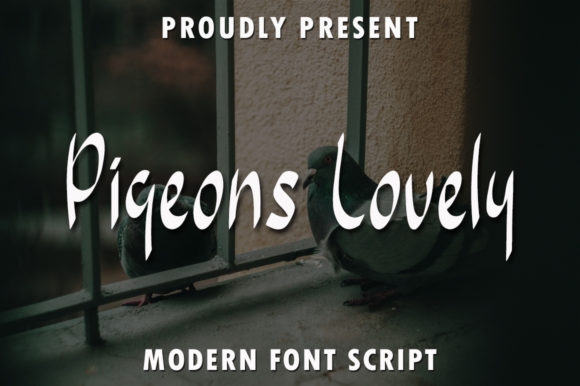
Pigeon Lovely is a sweet and cursive handwritten font that brings a gentle, romantic touch to any design project. Its flowing lines and soft curves make it ideal for editorial work where visual appeal and readability are equally important. As a script typeface, Pigeon Lovely adds a personal and artistic flair to headings, titles, and decorative elements without sacrificing clarity.
Designed with a focus on elegance and usability, Pigeon Lovely works well in both digital and print formats. It’s particularly suited for content that benefits from a warm, inviting tone—whether that’s a lifestyle blog, a recipe ebook, or a wedding guide. The font’s personality makes it a strong choice for branding, helping to establish a cohesive visual identity across publications and marketing materials.
Using Pigeon Lovely in Editorial Layouts
In editorial design, Pigeon Lovely excels as a display font for headlines, cover text, and section dividers. Its handcrafted look can elevate the visual hierarchy of a magazine spread or a blog post, drawing attention while maintaining a sense of refinement. When used strategically, it can also serve as a subtle accent in body copy, adding character without overwhelming the reader.
For example, a lifestyle blog might use Pigeon Lovely for article titles and subheadings to create a more engaging reading experience. A recipe ebook could feature the font on chapter openers, giving each section a unique and elegant introduction. In a wedding guide, Pigeon Lovely can be used for pull quotes, captions, and decorative elements that reinforce the theme of love and celebration.
Supporting Reader Engagement and Visual Hierarchy
Reader engagement often hinges on how content is visually presented. Pigeon Lovely helps create a more dynamic layout by introducing contrast and movement. When paired with a clean, readable serif or sans serif font, it can guide the eye through a page, making it easier for readers to navigate complex information.
For instance, a coaching workbook might use Pigeon Lovely for key takeaways and motivational quotes, while the main text remains in a straightforward font. This combination allows the font to stand out without compromising legibility. Similarly, a printable planner could use Pigeon Lovely for date headers and goal sections, adding a personal and artistic touch to daily organization.
Practical Applications Across Content Types
Pigeon Lovely is versatile enough to work in a wide range of publishing formats. For newsletters, it can be used for subject lines, section titles, and callout boxes, helping to break up dense blocks of text and keep readers interested. In a digital magazine, the font can appear on cover pages, article thumbnails, and sidebar elements, reinforcing the publication’s brand aesthetic.
When designing for social media graphics or web banners, Pigeon Lovely can add a humanized feel to promotional content. It’s also effective for lead magnets, such as free worksheets or downloadable guides, where a friendly and approachable design can encourage sign-ups. In packaging design, the font can be used for product labels or taglines, enhancing the overall visual storytelling.
Readability and Technical Considerations
While Pigeon Lovely is a script font, it maintains a level of readability that makes it suitable for short-form text. However, it’s best used in smaller quantities, such as headlines, rather than long paragraphs. When exporting to PDF or using in mobile layouts, ensure that the font renders clearly at different sizes and resolutions.
For print projects, test the font at various point sizes to confirm that it remains legible. In digital formats, consider how the font appears on screens with different color schemes and backgrounds. Always check for proper kerning and spacing to avoid awkward gaps or overlaps between characters.
Font Pairing and Brand Identity
Pairing Pigeon Lovely with other fonts can enhance its impact and create a balanced design. A common approach is to pair it with a serif font for body text, offering a classic and timeless look. Alternatively, a modern sans serif can provide a clean contrast, making the script font stand out more effectively.
For example, a digital magazine might use Pigeon Lovely for headlines and a serif font for article content, creating a harmonious and professional appearance. A creative brand could use the font in logos and social media profiles, pairing it with a minimalist sans serif for captions and navigation menus. These combinations help maintain visual consistency while allowing the font to shine in its intended role.
Commercial Licensing and Usage Rights
When using Pigeon Lovely in commercial projects, such as ebooks, templates, or paid newsletters, it’s important to verify the licensing terms. Most premium fonts come with specific rights that allow for certain types of use, including print and digital distribution. Always review the license agreement to ensure compliance, especially when working on client projects or selling digital products.
For independent content creators, understanding these rights ensures that the font can be used confidently across different platforms. Whether designing a printable planner or developing a course curriculum, having the right permissions helps avoid legal issues and supports ethical design practices.
With its charming style and practical application, Pigeon Lovely is a valuable addition to any designer’s toolkit. Whether used for a blog header, a magazine cover, or a branding element, it brings a sense of warmth and creativity to every project it touches.